Gutter Cleaning Hackettstown: Avoid Water Overflow and Erosion
A gutter system rarely gets much attention until it fails. Then it becomes impossible to ignore. Water pours over the edge during a storm, mulch washes into the yard, siding develops streaks, and the soil around the foundation starts to sink or harden in all the wrong places. In a place like Hackettstown, where heavy spring rain, summer storms, falling leaves, and winter freeze-thaw cycles all put stress on a home, clean gutters are less about appearance and more about control.
That control matters because roof runoff moves fast. Even a modest roof can shed hundreds of gallons of water in a single storm. When gutters and downspouts are clear, that water is collected, directed, and discharged where it belongs. When they are packed with leaves, grit, pine needles, and roofing granules, the system stops acting like plumbing and starts acting like a spillway. Water jumps the gutter edge, clings to fascia boards, saturates flower beds, and cuts channels into the soil below.
Homeowners looking into Gutter Cleaning Hackettstown services are often reacting to one visible problem, but the bigger story usually sits lower down. Overflow is the symptom. Erosion is one of the most expensive consequences.
What clogged gutters actually do to a house
Most people picture clogged gutters as a nuisance. The reality is more mechanical than that. Debris traps water. Standing water adds weight. Weight strains the hangers and loosens fasteners. Once the pitch changes, water no longer flows efficiently to the downspouts. That creates more standing water, which catches more debris, which leads to more sagging. It is a slow cascade, and it does not take years to start.
The first sign is often a sheet of water spilling over one section during a storm. That section may be directly clogged, but it can also be downhill from a blockage. Water stacks up behind the obstruction until it finds the easiest exit. If the gutter lip is lower than the outlet path, it spills.
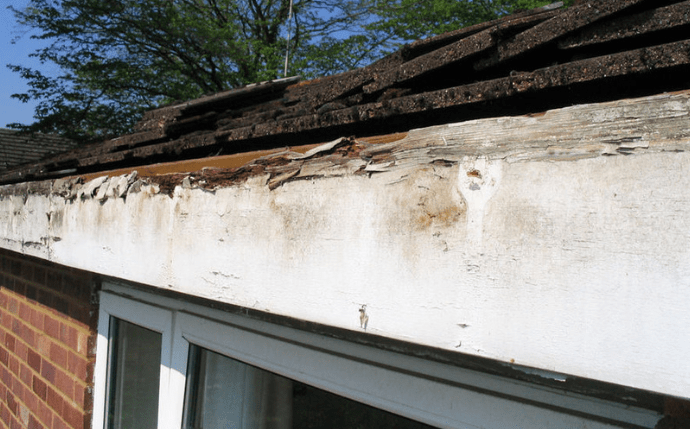
Once overflow begins, several parts of the house can suffer at the same time. Fascia boards stay wet longer than they should. Soffit vents can take on moisture. Window trim below the roofline may develop peeling paint. Masonry gets darker after storms and stays that way. None of these issues by itself means the gutter system is failing, but together they point to water going where it should not.
The soil below tells the same story. Instead of water being carried out through downspouts and discharged several feet from the home, it drops directly at the base. Repeated impact compacts some areas and scours out others. Mulch floats. Decorative stone migrates. Low spots deepen. After enough storms, you may see exposed roots, trenches along planting beds, or a muddy splash pattern on lower siding.
Hackettstown homes vary widely in lot shape and drainage behavior. Some sit on flatter parcels where water lingers. Others have enough grade that runoff gains speed and strips topsoil quickly. Clean gutters help in both cases. On https://www.google.com/maps/place/Just+Gutters+LLC/@40.8508764,-74.8265083,829m/data=!3m2!1e3!4b1!4m6!3m5!1s0xa4048db2dc8e9c0b:0x377ff42dc31c35fe!8m2!3d40.8508764!4d-74.8265083!16s%2Fg%2F11vqhqxmff!5m1!1e1?entry=ttu&g_ep=EgoyMDI2MTExMC4wIKXMDSoASAFQAw%3D%3D flat lots, they reduce saturation around the foundation. On sloped lots, they slow the concentration of runoff at vulnerable edges.
Why erosion deserves more attention than it gets
Overflow gets noticed because you can see it from the driveway. Erosion develops more quietly. It often starts with little clues: a downspout elbow buried by soil one year and exposed the next, mulch thinning out after every major rain, or a flower bed that always seems to need reshaping. Those changes feel cosmetic until they affect drainage patterns around the house.
Soil movement near the foundation is not a minor landscaping issue. Water that repeatedly dumps in one place can create depressions that hold even more water. On some properties, this can direct moisture toward the foundation instead of away from it. Basements and crawl spaces do not need much encouragement. A wet perimeter, hydrostatic pressure, or a crack that was harmless in dry conditions can become a real maintenance problem.
Erosion also affects hardscaping. Paver walkways can settle unevenly if runoff undercuts the base material. Retaining walls, especially shorter decorative walls, may start to lean or separate if the soil behind them is repeatedly washed out or oversaturated. Even fence posts can loosen over time when soil structure changes around them.
One of the more frustrating cases involves a homeowner who improves the flower beds every season but never addresses the overflowing gutter above them. Fresh mulch goes down, edging gets cleaned up, and then one thunderstorm undoes the effort. The bed is not the root issue. The roof drainage is.
Hackettstown weather makes routine cleaning more important
There are regions where gutters mostly collect dust. Warren County is not one of them. Hackettstown sees enough seasonal variation that gutters are under pressure for much of the year. In spring, pollen, seed pods, and small twigs can start building up before the leaf drop from the previous fall is fully dealt with. Summer storms can be intense enough to test any weak point in the system. Autumn packs gutters with leaves, especially on homes near mature maples and oaks. Winter then locks whatever remains into place with ice and slush.
That freeze-thaw cycle is especially hard on neglected gutters. Debris holds moisture. Moisture freezes. Ice expands and adds weight. The system that was simply clogged in November may be bent, separated, or partially detached by January. Once that happens, cleaning alone may not be enough. The homeowner is now paying for repairs that might have been avoided with basic maintenance.
Trees matter here more than many people realize. A house shaded by large deciduous trees can need attention much more often than a house on a more open lot. Pine needles are another challenge because they weave together, slip into downspouts, and are harder to flush out completely. Roof valleys contribute too. They funnel runoff and debris into concentrated areas, which means one section of gutter may clog long before the rest.
That is why there is no universal once-a-year rule that works for every property. Some homes in Hackettstown are fine with two cleanings a year. Others, especially tree-heavy lots, may need three or even four touchpoints to stay ahead of accumulation.
Signs your gutters are already causing trouble
Many homeowners do not inspect their gutters closely, and that is understandable. You usually spot a problem indirectly. The trick is to notice the pattern before damage spreads.
Here are some of the most reliable warning signs:
- Water spills over the front edge during moderate rain, not just major storms.
- Streaking appears on siding or fascia below the gutter line.
- Soil, mulch, or stone is displaced beneath one roof edge after storms.
- Plants near the foundation look battered or uprooted in one recurring area.
- Gutters sag, separate at seams, or hold standing water after rain ends.
If even one of these is showing up consistently, the issue is no longer preventive. It is active.
The connection between downspouts and ground protection
A clean gutter is only half the system. Downspouts carry the load away, and if they are blocked or poorly placed, overflow and erosion can still happen. It is common to find gutters that were cleaned at the top while the downspout remains packed at the elbow or clogged underground where it ties into a drain line.
A properly functioning downspout should move water freely and discharge it far enough from the house to prevent immediate pooling. How far is enough depends on the grade, soil type, and nearby features, but a splash block that dumps water right next to the foundation is usually not doing much. Extensions, buried drain lines, or carefully planned discharge points can make a major difference.
This is also where judgment matters. Sending water farther away sounds good in theory, but not if it pushes runoff onto a neighbor’s property, across a walkway that becomes icy in winter, or into a low area that stays soggy. The best drainage solutions account for the whole site, not just the point where the downspout ends.
On some Hackettstown properties, clay-heavy soil slows absorption. Water may travel along the surface longer than expected, which increases the chance of erosion even if the downspout is technically moving water away from the house. In those cases, clean gutters should be paired with smarter runoff management on the ground.
Why DIY cleaning sometimes creates a false sense of security
Many homeowners are capable of cleaning their own gutters, at least on single-story sections. The issue is not whether debris gets removed. The issue is whether the whole system gets evaluated while the cleaning is happening.
A quick scoop-and-go approach often misses the details that determine how the gutters will perform in the next storm. Minor pitch problems, loose spikes, leaking seams, crushed outlets, and partially blocked downspouts can go unnoticed if the goal is simply to empty visible debris. Even a gutter that looks clean from above can fail if water cannot move through the outlet fast enough.
Safety is another practical concern. Wet ladders, uneven ground, overhead utility lines, and slippery roof edges all turn a routine job into a risky one quickly. Two-story homes, steep rooflines, and sections above decks or landscaping add complexity that many homeowners underestimate.
There is also the matter of timing. People tend to clean gutters when they finally notice a problem, which often means after a storm has already shown the weak spots. At that stage, the water may have already disturbed soil, stained trim, or soaked areas that should have stayed dry. Preventive cleaning works best when it happens before the weather tests the system.
What a thorough gutter cleaning should include
A proper service is more than leaf removal. At a minimum, the debris needs to come out by hand or tool, the downspouts should be checked for free flow, and the system should be observed for leaks, slope issues, and fastening problems. The cleanup matters too. Dumping wet debris into shrub beds or leaving it smeared across walkways does not count as finished work.
Experienced crews also look for source patterns. If one corner constantly fills first, there is usually a reason. It may be a nearby overhanging branch, a roof valley, a low-pitched section, or a downspout that cannot keep up with volume. Those observations are useful because they turn gutter cleaning from a repeated reaction into a better maintenance plan.
This is one reason homeowners searching for Gutter Cleaning Hackettstown should look beyond price alone. A low quote for basic debris removal can be fine if the system is simple and in good shape. But if the property already shows signs of overflow or erosion, the value is in identifying why the failure is happening and what will keep it from repeating.
The best times of year to clean gutters in Hackettstown
Most homes benefit from a schedule tied to local conditions rather than the calendar alone. Still, there are predictable windows when service makes the most sense.
A practical rhythm often looks like this:
- Late spring, after seed pods, blossoms, and early debris have accumulated.
- Early fall, before heavy leaf drop clogs the system all at once.
- Late fall, after the majority of leaves have come down.
- Mid-winter inspection, if ice issues or storm damage are common on the property.
Not every house needs all four. The right schedule depends on trees, roof design, and how the ground handles runoff.
Gutter guards help, but they are not a cure-all
Gutter guards have their place, but they are often misunderstood. Good guards can reduce the volume of large debris entering the gutter, which cuts down on cleaning frequency. They can be especially helpful under certain tree canopies. What they do not do is eliminate maintenance.
Fine material still finds a way in. Roof grit, pollen, small seeds, and decomposed organic matter build up over time. Some guard designs also allow debris to collect on top, where it creates a damming effect at the edge. In heavy rain, that can send water over the side even though the inside of the gutter is relatively clear.
The other issue is fit. A guard system that works well on one roof may perform poorly on another because of shingle style, roof pitch, valley flow, or surrounding trees. I have seen homes where guards reduced maintenance significantly, and others where they made hidden clogs harder to detect until overflow was severe.
For homeowners dealing with persistent debris, guards are worth discussing. They just should not replace inspection, and they do not excuse neglected downspouts or bad discharge locations.
Small repairs that protect against bigger damage
Cleaning often reveals minor defects that deserve attention before they become expensive. A loose hanger may not seem urgent, but if it allows a section to sag, water will pool there and accelerate every other problem. A small seam leak can stain fascia for months before anyone notices. A downspout strap pulling away from the wall can let the discharge point shift and dump water too close to the foundation.
These repairs are usually straightforward when caught early. Left alone, they compound. Water is persistent, and gutter systems are unforgiving of small mistakes. Once flow starts bypassing the intended path, surrounding materials take the hit.
A practical homeowner treats gutter maintenance the same way they treat HVAC filter changes or roof inspections. It is routine, not glamorous, but it protects systems that are much more costly to repair.
When overflow has already caused erosion
If the soil around your home is already showing damage, cleaning the gutters is step one, not the entire fix. The ground may need to be regraded so water sheds away from the foundation again. Mulch beds may need fresh edging or denser planting to stabilize loose soil. In steeper areas, stone, groundcover, or drainage improvements may be more effective than simply replacing washed-out mulch.
The key is to stop the water at its source first. Otherwise, every landscape repair becomes temporary. It is common for homeowners to spend money repeatedly on yard cleanup without addressing the roof runoff pattern that is tearing it up.
In more serious cases, especially where water has settled near the house for a long time, it is worth having the foundation perimeter and basement conditions looked at as well. Damp walls, musty odors, or white mineral deposits can indicate that surface drainage has already been affecting the structure.
Choosing a service with the right mindset
The best gutter professionals tend to think like water managers, not just cleaners. They notice where runoff lands, how the grade behaves, and whether one recurring problem points to a design issue. They understand that a clean gutter still fails if water is discharged badly. They also know when a house needs a simple maintenance visit and when it needs a broader drainage conversation.
For homeowners comparing providers, clear communication matters. You want to know what is included, whether downspouts are tested, whether minor issues are flagged, and what kind of cleanup is performed afterward. If the property has a history of overflow, mention where and when it happens. Those details help pinpoint the problem faster than a generic request for service.
There is real value in consistency too. A company that sees the same property over time can often spot gradual changes before the homeowner does, whether that is a developing pitch issue, increasing debris from nearby tree growth, or erosion returning in a familiar location.
Keeping water in its proper lane
Most home maintenance problems begin when a system stops doing its basic job. Gutters are supposed to collect water from the roof and move it safely away from the structure. When they do that, very little drama follows. When they do not, the damage tends to spread outward from the roofline to the siding, beds, walkways, and foundation.
That is why Gutter Cleaning Hackettstown is not just a seasonal chore. It is part of protecting the house and the land immediately around it. Clean gutters reduce overflow, preserve landscaping, prevent unnecessary soil loss, and help maintain proper drainage where it matters most.
If your home shows signs of spilling water, displaced mulch, muddy channels, or persistent wet spots near the base of the house, the system is asking for attention. Catching it early is almost always cheaper, cleaner, and easier than repairing the damage that follows.
Just Gutters LLC
Address: 262 Main St, Hackettstown, NJ 07840
Phone number: +12013319454
FAQ About Gutter Cleaning Hackettstown
How much should a gutter clean cost?
Professional gutter cleaning typically costs between $163 and $333, with a national average of around $210 to $250 for a standard-sized home.
What months should you clean gutters?
You should clean your gutters twice a year—once in late autumn (November to December) and once in late spring (April to May).
Is it worth paying for gutter cleaning?
Yes, paying for gutter cleaning is worth it because it prevents thousands of dollars in water damage, roof leaks, and structural repairs.